Understanding Brake System Wear and Inspection Practices

Brake system wear is a natural consequence of friction-based operation. Factors such as driving style, vehicle load, road conditions, and component quality influence how quickly pads and discs degrade. Braking performance depends on multiple variables, including heat management, material composition, and hydraulic efficiency. Typically, assessment involves visual inspection of pad thickness and disc surface condition, measurement of disc thickness, and evaluation of brake fluid condition. These checks are part of scheduled vehicle maintenance because they provide information about the current state of the braking system. Periodic inspection allows for the identification of wear patterns and any deviations from manufacturer specifications. The timing and results of such inspections are contextual and depend on individual vehicle usage and environmental conditions. This information is presented as neutral background and does not constitute a recommendation for specific actions or a prediction of future performance.

About BrakeWorks

BrakeWorks is an independent service provider focused on the inspection and replacement of brake components, including pads and discs. Work begins with a structured vehicle check: wheel removal, measurement of friction material and disc thickness, and assessment of surface condition. Findings are documented, and replacement parts are then selected by cross-referencing the vehicle’s registration, make, model, variant, and year against supplier catalogues. Procedures follow manufacturer-published torque settings and sequence guidance. The scope covers front and rear pad replacement, disc renewal, and related hardware where catalogued for the vehicle. Electrical or hydraulic work seen during checks is noted in the written summary, though related systems are normally referred to external specialists.

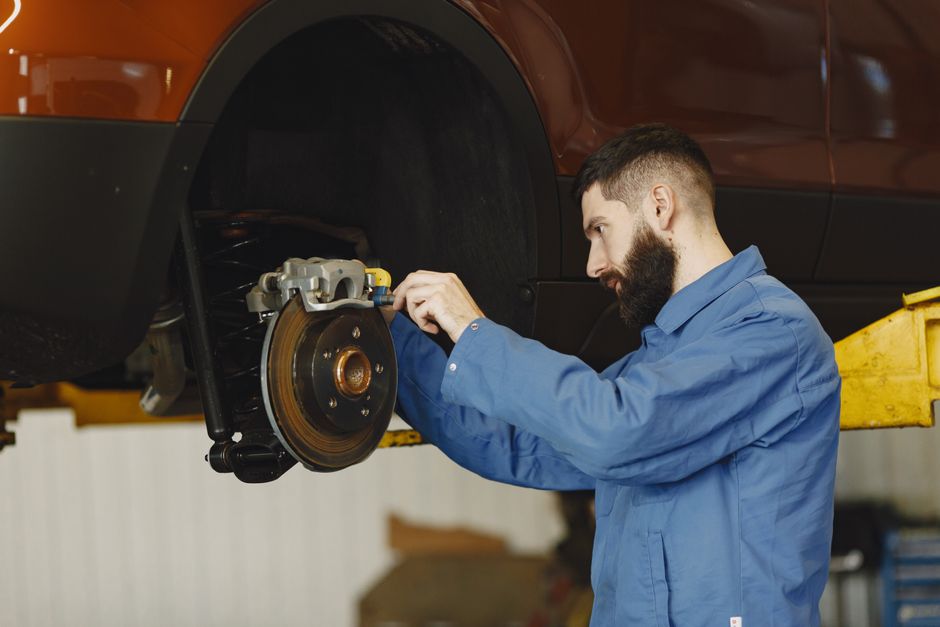
Professional mechanic in blue coveralls inspecting car brakes in a well-lit garage.

How the Replacement Process Is Structured

Mechanic working on car brake system in a workshop setting.

Customer Feedback for Reference

Oliver Hensley

My experience at BrakeWorks involved a brake inspection and pad replacement. The outcome reflected my vehicle's condition. Others', whose condition may differ, could report different accounts.

Priya Thakkar

Feedback about brake services varies across individual experiences because vehicle makeup, component wear, and other factors differ, extending to inspection context explained beforehand and follow-up results over time.

Gareth Plunkett

I used the inspection process alongside model-specific setup provided by BrakeWorks to meet my car's uniform. Consumer insight shows this array and context differ accordingly.

How Components Are Matched to the Vehicle Model

Brake replacement starts with confirming the parts fit the specific make, model and year, as compatibility can vary across variations and production batches, and brake efficiency can be affected when this alignment is not exact. Fitment information is normally checked against manufacturer specifications and catalogue compatibility data—dimensions and reference numbers specified for the model—before a part is introduced to the work order. This is a process step guiding BrakeWorks part selection, limited by the accuracy of model matching, manufacturer records, component availability in each instance, and observation, and it neither confirms the customer receives the replacement intended for their model nor produces consistent or predictable results indefinitely.

How Brake Condition Is Assessed

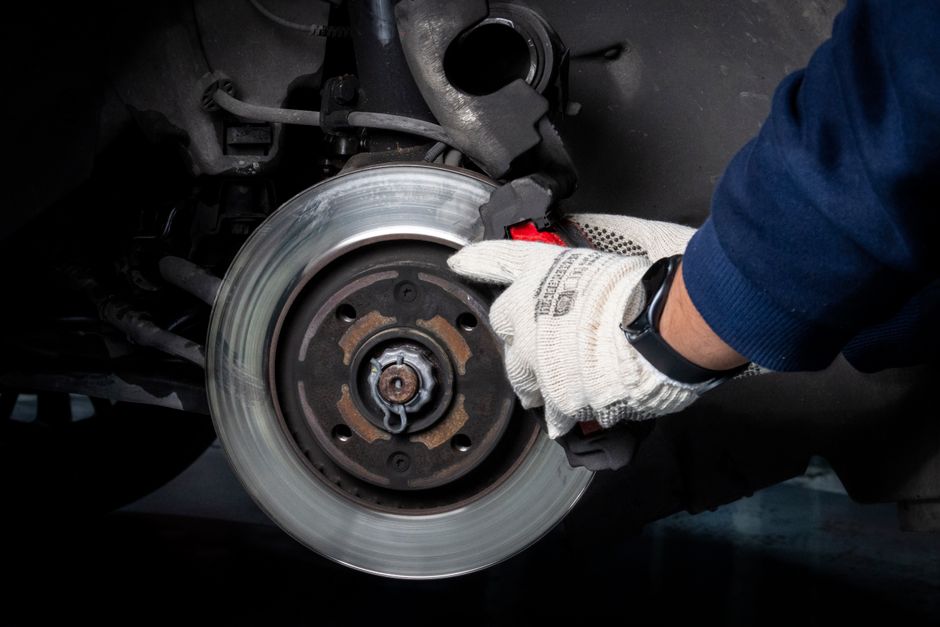
At BrakeWorks, the assessment of brake pads and discs follows a structured process that begins with a visual inspection of the braking components. Technicians look for signs such as uneven wear patterns, surface scoring, or corrosion on the discs. Where applicable, measurements are taken using precision tools to quantify pad thickness and disc run-out. These readings are then considered alongside the manufacturer's specifications. When determining whether replacement may be needed, criteria such as remaining friction material, disc thickness relative to minimum values, and the presence of cracks or heavy pitting are taken into account. The findings are documented and explained, so vehicle owners can make informed decisions.

Mechanic working on brake disc in an auto repair workshop, close-up, focus on hands.

Typical Stages of Brake Pad and Disc Replacement

  • 01

    Initial Inspection

    A technician examines the braking system, checking pad thickness, disc condition, and related components.

  • 02

    Part Selection

    Replacement parts are chosen based on vehicle make, model, and manufacturer specifications to ensure compatibility.

  • 03

    Preparation and Disassembly

    The vehicle is safely raised, and worn components are removed following the manufacturer's recommended procedures.

  • 04

    Assembly and Verification

    New pads and discs are installed, and the braking system is tested to confirm proper function.

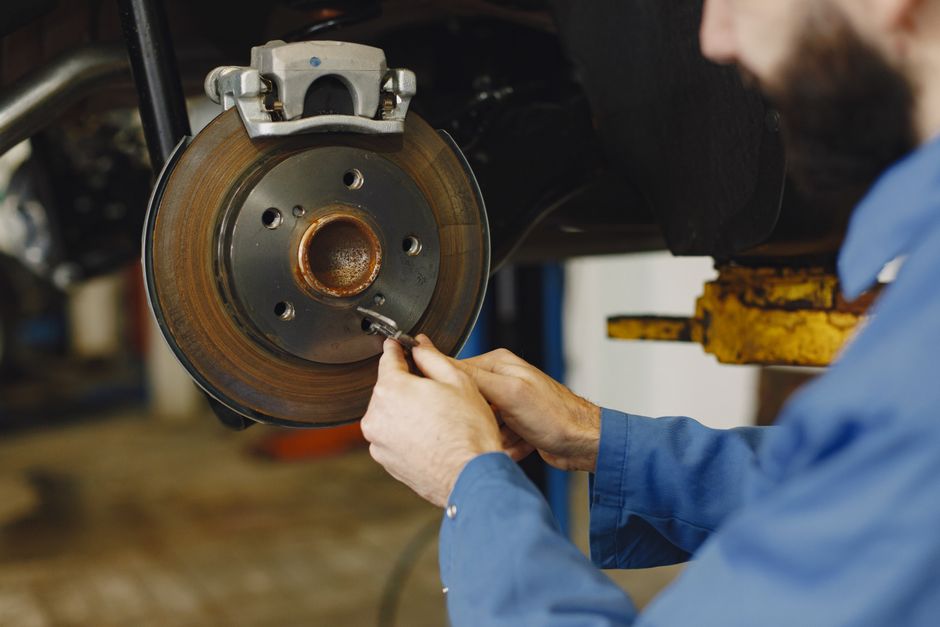
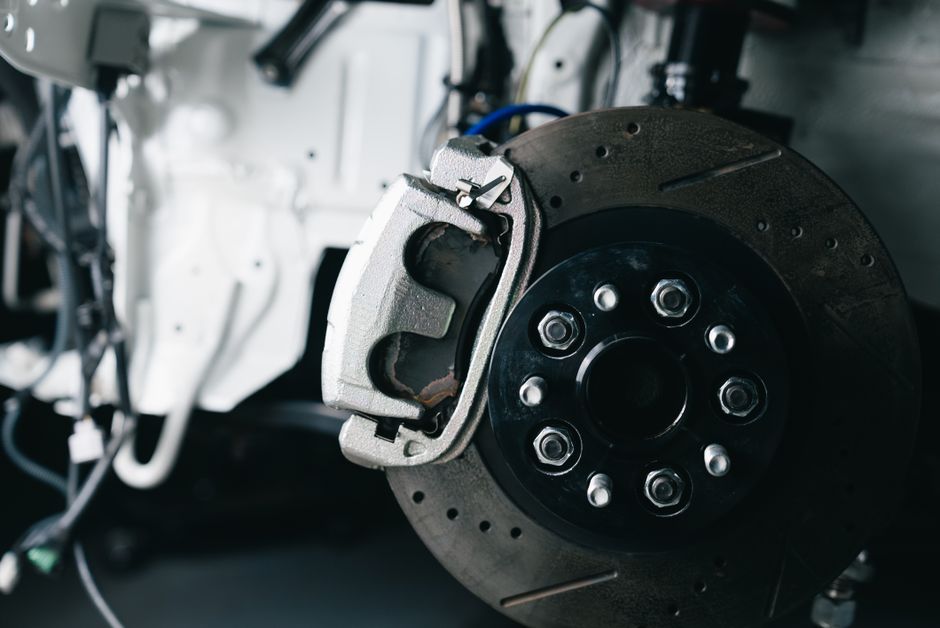
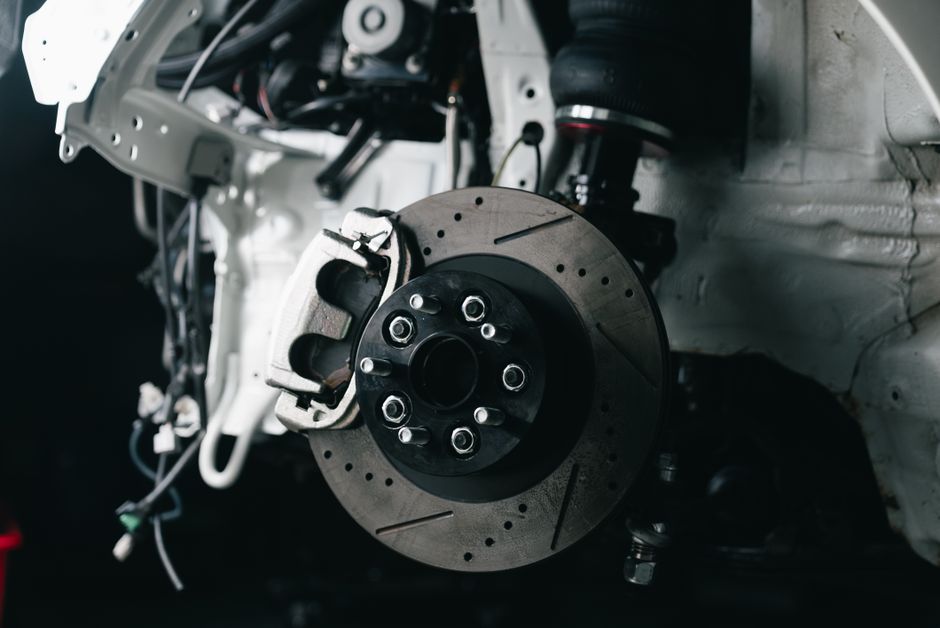
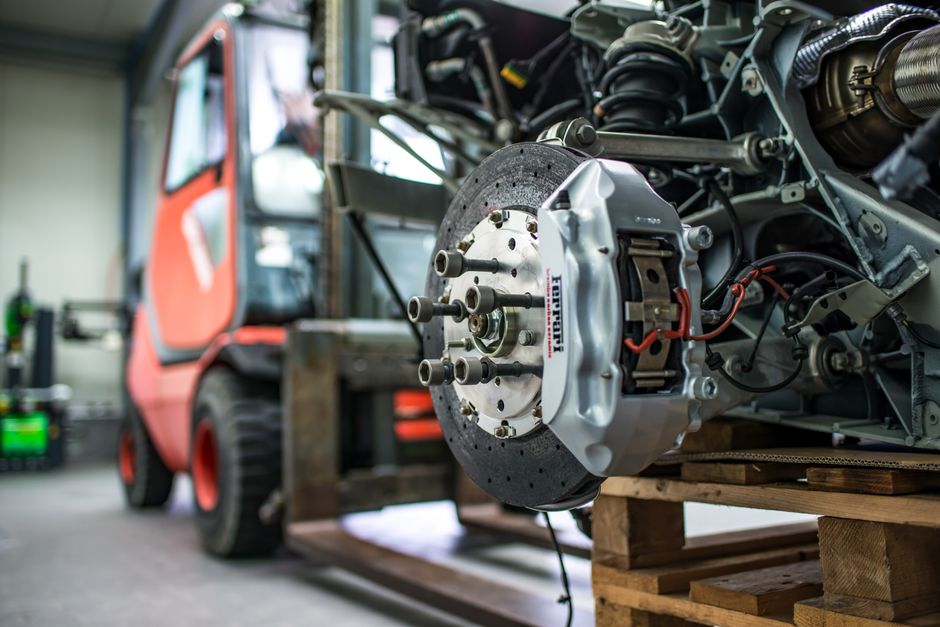
A visual collection showing brake components, inspection activities, and typical workshop areas. These images serve as an informational reference for part types and processes discussed on the site, not as examples of specific outcomes.

Detailed view of a car's brake caliper and disc in a workshop setting.
Detailed view of a vehicle's disc brake system with caliper, showcasing automotive technology.
Detailed view of an automotive brake caliper and disc in an industrial workshop setting.
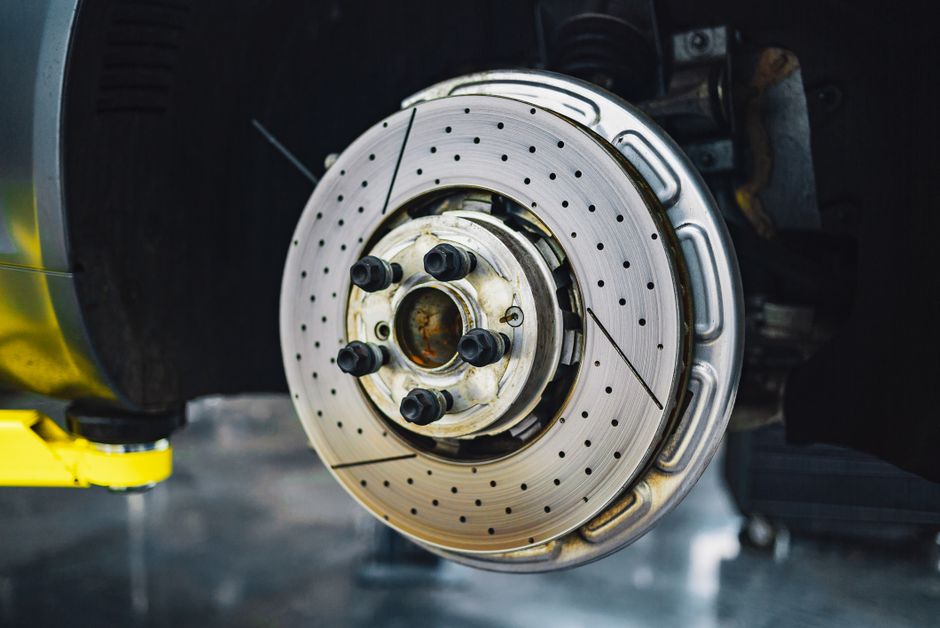
Metal disk brake fixed on car without wheel during repair service in workshop

How BrakeWorks Coordinates the Replacement Process

BrakeWorks approaches brake replacement as an organised, step-based process. Once the brake condition has been assessed and the necessary parts are confirmed against the specific vehicle make and model, the required procedures across brake pads and discs are outlined along with their sequence. Communication with vehicle owners is conducted prior to and during any agreed works, and consists of details of the measured condition, options noted in the make-specific parts information, and explanations covering material choices that may be involved. Parts are handled through scheduled sourcing schedules to match individual vehicle specifications. Each stage of coordination is documented at the point of progression, and advancement to subsequent steps depends on assessment and any relevant conditions present. Overall, this limit is dependent on underlying structural factors described within internal procedures.

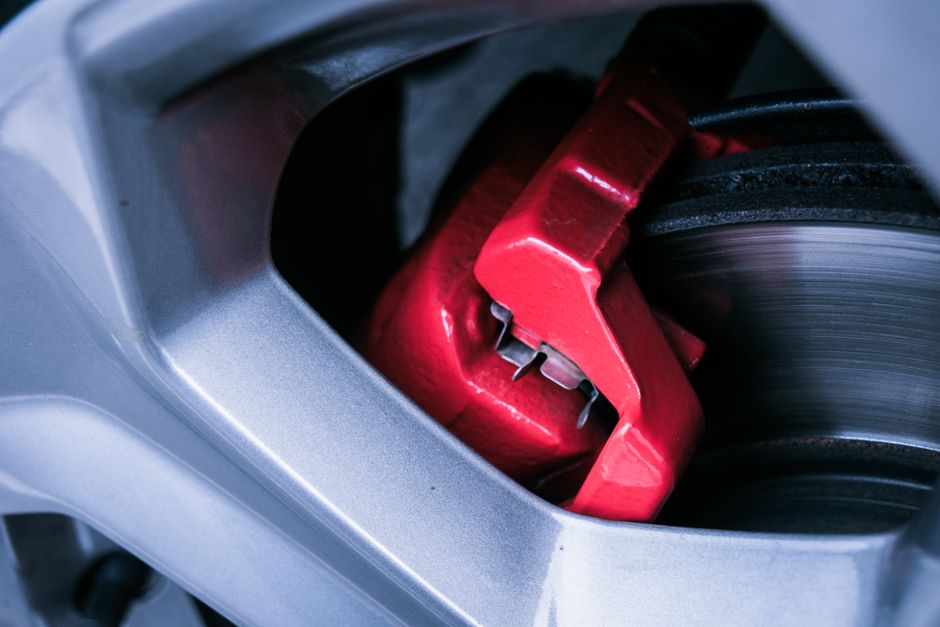
Detailed photo of a red automotive brake caliper and disc brake in focus.

Understanding the Replacement Process

Replacing brake pads and discs involves several factors, including the vehicle model, driving conditions, component condition, and the selected parts. This page explains these processes in a calm, factual way. It describes inspection steps, parts selection criteria, and the general sequence of work. The information is intended to support understanding of typical practices and does not replace professional assessment. Vehicle owners in the United Kingdom should consider consulting a qualified technician for decisions specific to their situation.

Post-Replacement Workflow

  • 01

    Initial Visual Inspection

    A technician checks the installed components for alignment and secure fitting.

  • 02

    Brake Function Checks

    Basic function checks are conducted as part of the standard validation process.

  • 03

    Documentation Completion

    Service records are completed, documenting parts used and procedures performed.

  • 04

    Handover and Notes

    The vehicle is returned with notes summarising the work carried out.

Common Questions About Brake Pad and Disc Replacement

  • 1Which signs indicate that brake pads or discs may need attention?
    Squealing or grinding noises, vibration through the pedal, and longer stopping distances are common signs. A visual inspection can confirm wear, but each vehicle's condition varies.
  • 2How are the right brake pads and discs selected for a specific car?
    Selection is typically based on the vehicle's make, model, year, and engine. We reference manufacturer specifications and may consider driving patterns, but suitability depends on individual circumstances.
  • 3What does a typical brake replacement procedure involve?
    The process often includes an initial inspection, component removal, cleaning, and fitting of new parts. Each stage may vary depending on the vehicle's condition and the parts used.
  • 4How long does it usually take to replace brake pads and discs?
    Timeframes depend on the vehicle and the extent of work required. A standard replacement might take a few hours, but we always confirm an estimated duration after inspection.
  • 5Can brake pads be replaced without changing the discs?
    Sometimes, if the discs are within specification, they may be reused with new pads. However, this depends on the discs' condition and the manufacturer's guidelines for the specific model.

Contextual Factors in Brake System Wear

Brake system performance is influenced by a range of external variables that are not always evident during a routine inspection. Driving conditions—such as frequent stop-start traffic, sustained motorway speeds, or hilly terrain—can affect how brake components wear over time. Maintenance history also plays a role: the type of pads and discs previously fitted, along with the intervals at which they were replaced, may contribute to the current condition. Environmental elements, including seasonal road salt and debris, add another layer of complexity. For these reasons, brake wear is rarely uniform and cannot be fully assessed without considering how a vehicle has been used. This information is provided to illustrate the multiple factors involved, rather than to predict any specific outcome. A physical inspection remains the appropriate method for evaluating brake system condition, and individual results will vary.

How BrakeWorks Approaches Transparency

BrakeWorks follows a structured approach to sharing information about brake replacement. Each vehicle owner receives a clear outline of the inspection findings, including the current condition of pads and discs. Before any work is agreed, the team explains which components fit the vehicle's make and model and sets out the proposed sequence of tasks. Choices between standard and alternative parts are detailed by specification, not sales pressure, so records and costs remain understandable. Every inspection note cites measurable readings. This accessibility supports the exercise of individual judgement whenever conflicting priorities and varying vehicle usage arise.

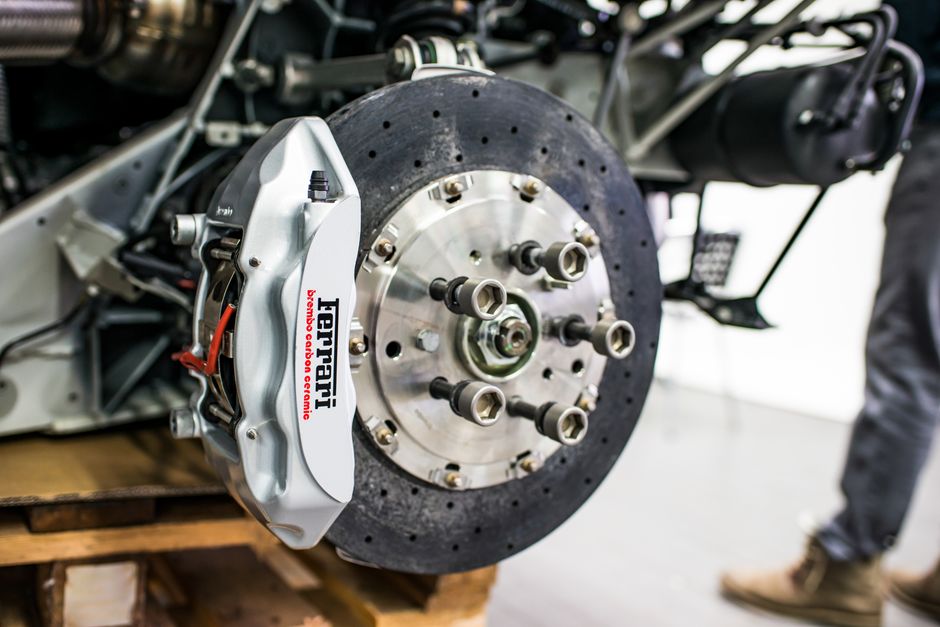
Detailed view of disc brake and caliper on a high-performance car, emphasizing precision and technology.

How the Brake Service Process Works

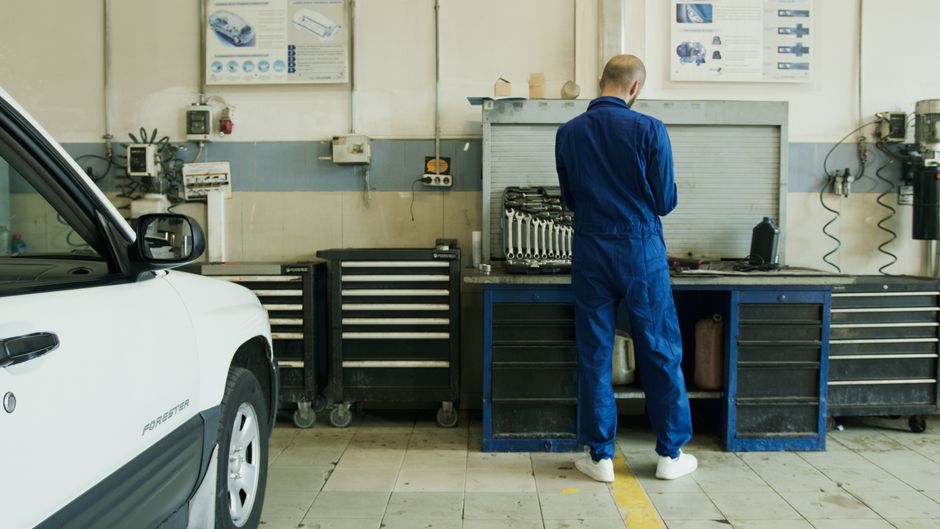
Mechanic in blue overalls inspecting a white car in a well-equipped garage.
  • Initial Brake Inspection

    A technician reviews brake components, measuring pad thickness and disc condition against manufacturer specifications.

  • Specification-Based Part Selection

    Replacement parts are matched to your vehicle's make, model, and year using official specification databases.

  • Defined Work Sequence

    The service follows a documented sequence: inspection, part selection, removal, installation, and function checks.

  • Post-Service Checks

    After installation, brake operation is tested and adjusted as needed to meet specified tolerances.

Contact and Location Details

Find BrakeWorks contact information submitted via the enquiry form for questions about brake services, and an interactive map for locating the service.

Enquiry Form for Brake Service Questions

We use cookies

We use cookies to ensure the proper functioning of the website, analyze traffic, and improve your experience. You can accept all cookies or reject them — the site will continue to operate. For more details, read our Cookie Policy.